





Roof Waterproofing Maintenance Tips to Prevent Damage
Roof waterproofing is one of the most important steps in protecting residential, commercial, and industrial buildings from water leakage, seepage, dampness, and structural deterioration. Regular roof maintenance not only extends the life of the waterproofing system but also prevents costly repairs caused by moisture damage.
Whether you own a house, apartment, factory, warehouse, or commercial building, proper roof waterproofing maintenance helps maintain structural safety and indoor comfort throughout the year.
[edit] Why Roof Waterproofing Maintenance Is Important?
A damaged or poorly maintained roof can lead to:
- Roof leakage during monsoon
- Ceiling dampness and peeling paint
- Mold and fungal growth
- Cracks in concrete slabs
- Corrosion of steel reinforcement
- Structural weakening over time
- Higher repair and renovation costs
Routine roof inspection and waterproofing maintenance help identify minor issues before they become major structural problems.
[edit] Top Roof Waterproofing Maintenance Tips
[edit] 1. Inspect the Roof Regularly
Periodic roof inspection is essential to identify early signs of damage such as:
- Surface cracks
- Water ponding
- Blistering in waterproof coating
- Joint openings
- Broken tiles
- Damp patches
Experts recommend inspecting roofs before and after the monsoon season to avoid unexpected leakage problems.
[edit] 2. Clean Roof Drains and Gutters
Blocked drainage systems are one of the biggest causes of roof leakage. Leaves, dirt, debris, and dust can stop proper water flow and create water stagnation.
- Prevent water accumulation
- Reduce seepage risk
- Improve waterproofing performance
- Protect terrace surfaces
Proper drainage maintenance is critical for flat roof waterproofing systems.
[edit] 3. Repair Cracks Immediately
Small roof cracks can quickly become major leakage points if ignored. Use professional crack filling and waterproof repair solutions to seal:
- Concrete cracks
- Expansion joints
- Tile gaps
- Pipe joints
- Wall-to-roof connections
Early crack repair prevents moisture penetration into the structure.
[edit] 4. Avoid Water Ponding on the Roof
Standing water weakens waterproofing membranes and accelerates concrete deterioration.
To prevent water ponding:
- Ensure proper roof slope
- Maintain drainage outlets
- Repair uneven surfaces
- Check rainwater pipes regularly
Long-term water stagnation can severely damage terrace waterproofing systems.
[edit] 5. Reapply Waterproof Coating When Needed
Waterproof coatings lose effectiveness over time due to:
- UV exposure
- Heavy rainfall
- Temperature changes
- Surface wear
Periodic recoating improves roof protection and extends service life. Common waterproofing solutions include:
- Acrylic waterproof coating
- Polyurethane waterproofing
- Bituminous waterproofing membrane
- Cementitious waterproofing
- Liquid waterproofing membrane
Professional inspection helps determine when recoating is necessary.
[edit] 6. Check Waterproofing Around Pipes and Joints
Areas around plumbing pipes, HVAC units, solar panel supports, and expansion joints are highly vulnerable to leakage.
Inspect these zones for:
Proper joint sealing helps maintain complete waterproof protection.
[edit] 7. Protect Roof Surfaces From Physical Damage
Heavy equipment movement, furniture dragging, and improper installation work can damage waterproof layers.
Avoid:
- Sharp object impact
- Unnecessary drilling
- Excessive load concentration
- Unauthorized construction activity
Using protective tiles or screed layers can improve roof durability.
[edit] 8. Schedule Professional Roof Waterproofing Inspection
Professional waterproofing services contractors use advanced methods to identify hidden damage, including:
- Moisture testing
- Crack assessment
- Thermal inspection
- Membrane condition analysis
Annual professional inspections help maintain long-term roof performance and reduce repair costs.
[edit] Signs Your Roof Waterproofing Needs Maintenance
Watch for these warning signs:
- Ceiling leakage
- Damp patches on walls
- Peeling paint
- Mold growth
- Cracked terrace surface
- Water dripping during rain
- White salt deposits on walls
- Musty odor indoors
Ignoring these symptoms can lead to severe structural repair expenses.
[edit] 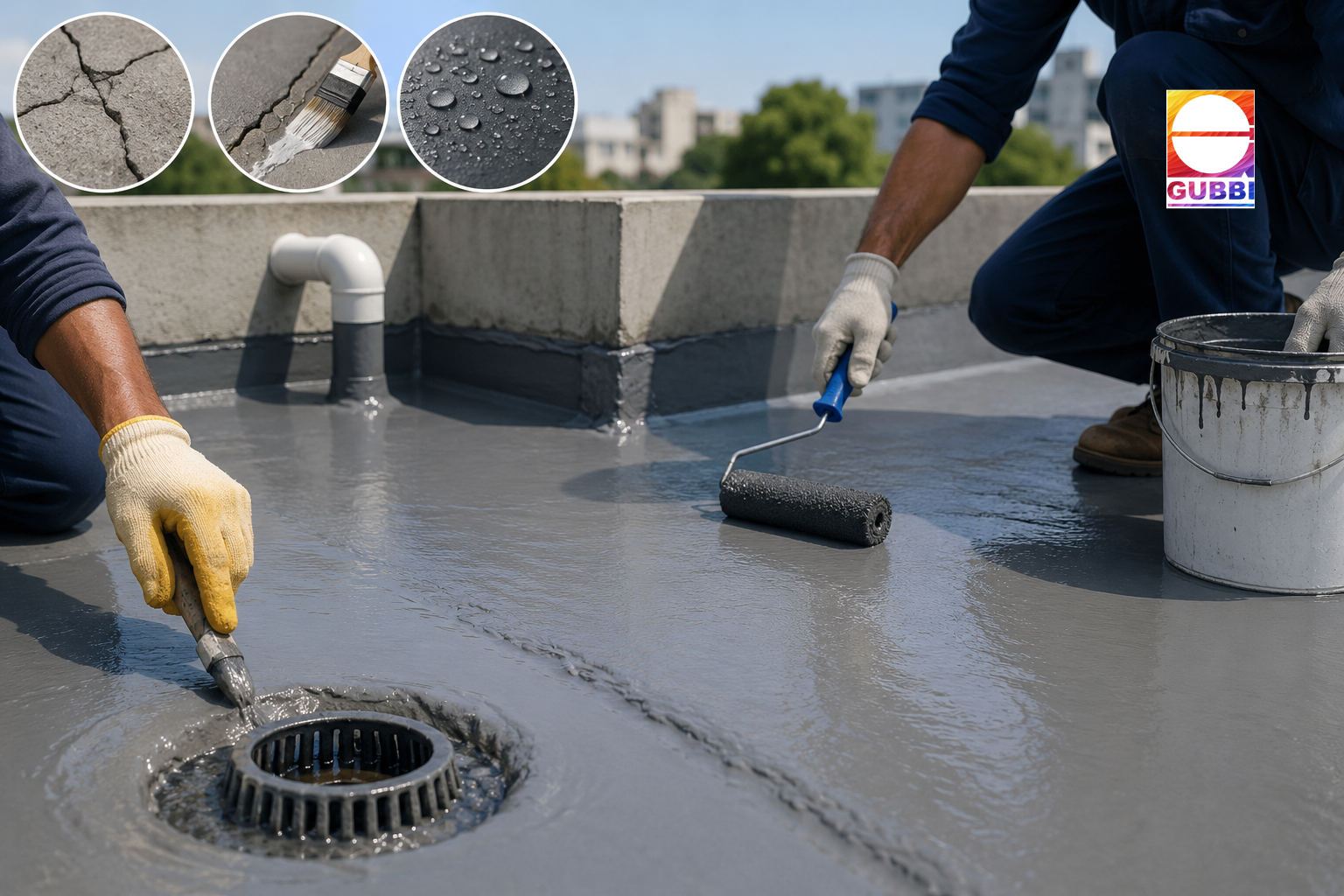
[edit] Best Roof Waterproofing Solutions for Long-Term Protection
Popular waterproofing systems include:
[edit] Waterproofing Method |
[edit] Best Application |
| Acrylic Coating | Residential terraces |
| Polyurethane Waterproofing | Flat roofs and exposed slabs |
| Bituminous Membrane | Commercial buildings |
| Cementitious Waterproofing | Bathrooms and water tanks |
| Liquid Membrane Waterproofing | Complex roof surfaces |
Choosing the right waterproofing system depends on roof condition, climate, and building usage.
[edit] Benefits of Regular Roof Waterproofing Maintenance
Proper maintenance offers multiple advantages:
- Prevents roof leakage
- Increases roof lifespan
- Reduces repair costs
- Improves indoor comfort
- Protects structural integrity
- Enhances property value
- Prevents dampness and mold
Regular roof care ensures long-lasting waterproofing performance even during heavy rainfall conditions.
[edit] Conclusion
Roof waterproofing maintenance is essential for protecting buildings from water damage, leakage, and structural deterioration. Regular inspection, crack repair, drainage cleaning, and timely recoating can significantly improve the life of your waterproofing system.
Investing in preventive waterproofing maintenance helps avoid expensive repairs while ensuring long-term safety and durability for residential, commercial, and industrial structures.
[edit] How often should roof waterproofing be maintained?
Roof waterproofing should ideally be inspected twice a year, especially before and after monsoon seasons.
[edit] What causes roof waterproofing failure?
Common causes include poor drainage, UV exposure, surface cracks, water ponding, and aging waterproof coatings.
[edit] Which waterproofing is best for roofs?
Polyurethane waterproofing, acrylic coating, and liquid membrane waterproofing are commonly used for roofs depending on the structure and climate.
[edit] Can roof waterproofing stop leakage permanently?
Professional roof waterproofing combined with regular maintenance can provide long-term leakage protection and prevent recurring seepage issues.
[edit] What are the signs of roof waterproofing damage?
Signs include ceiling dampness, wall seepage, mold growth, peeling paint, terrace cracks, and water leakage during rain.
[edit] Related articles on Designing Buildings
Quick links
[edit] Legislation and standards
Fire Safety (England) Regulations 2022
Regulatory Reform (Fire Safety) Order 2005
Secondary legislation linked to the Building Safety Act
Building safety in Northern Ireland
[edit] Dutyholders and competencies
BSI Built Environment Competence Standards
Competence standards (PAS 8671, 8672, 8673)
Industry Competence Steering Group
[edit] Regulators
National Regulator of Construction Products
[edit] Fire safety
Independent Grenfell Tower Inquiry